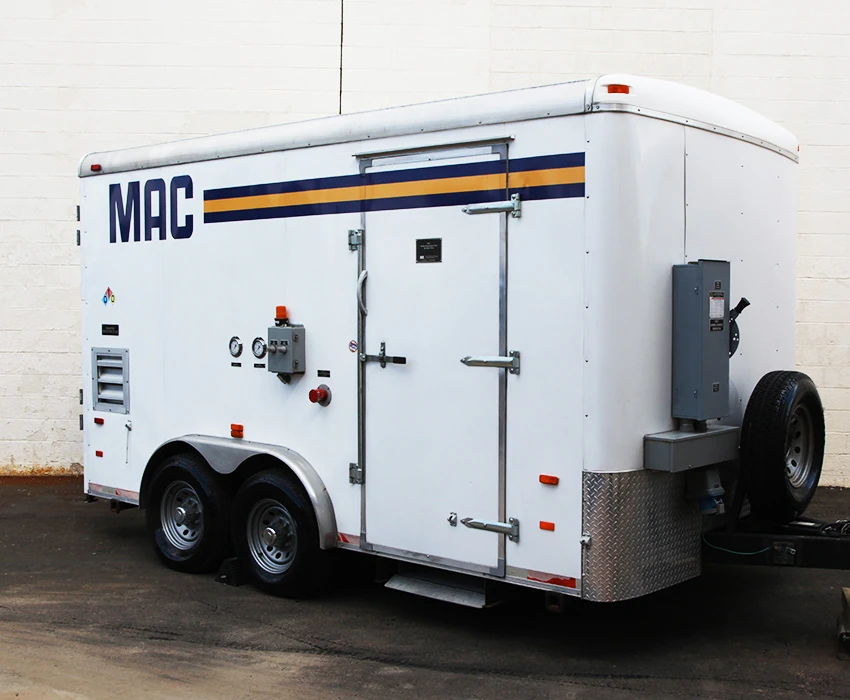
When Do Utilities Need a Portable Pressurizing Plant? A Guide for Emergency Response Teams
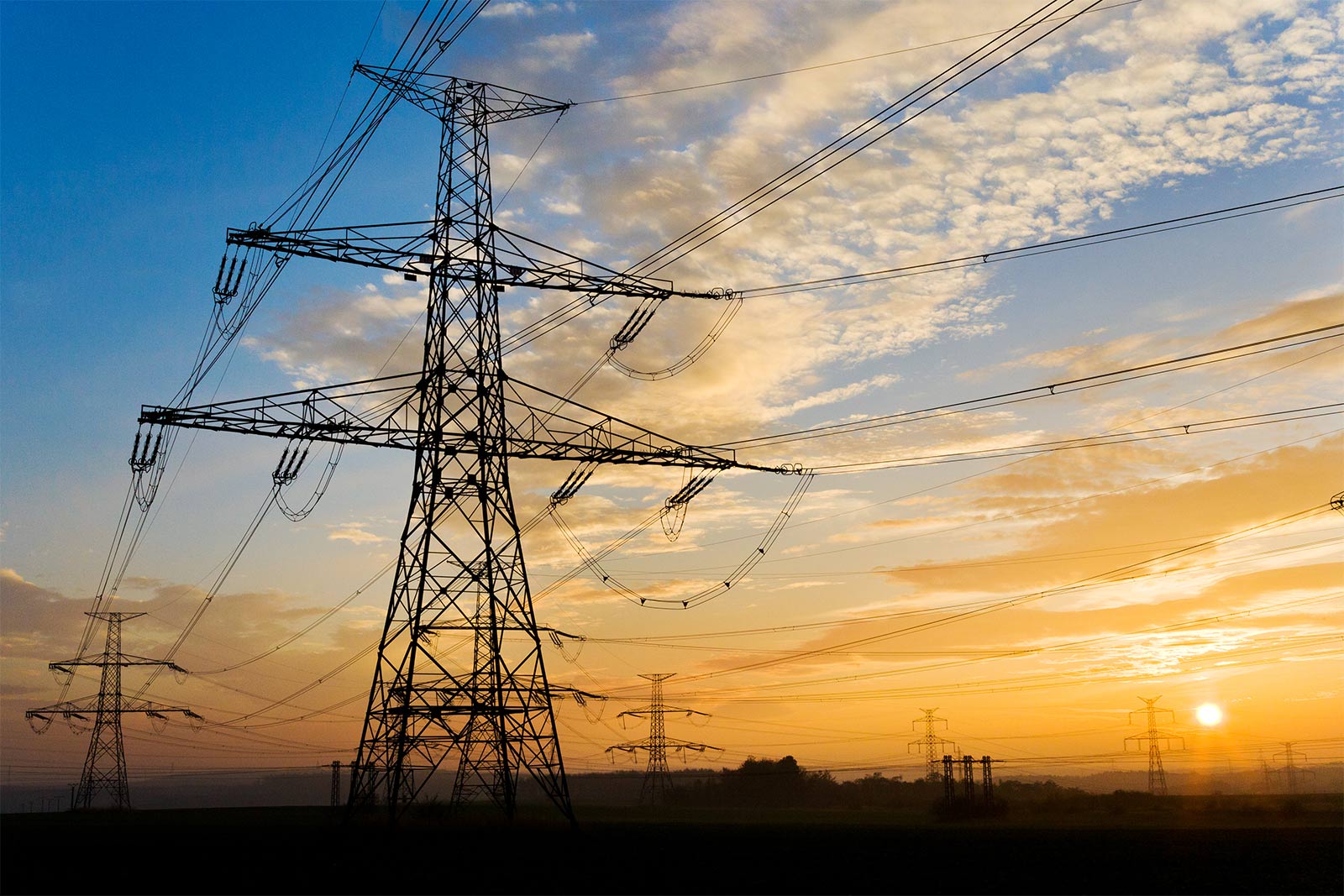
Pipe-type cable systems remain a significant part of U.S. transmission and distribution infrastructure. High-pressure fluid-filled (HPFF) and high-pressure oil-filled (HPOF) systems have been in service for decades, and many are still in active service in dense urban networks where underground replacement is logistically complex and costly.
Electric Utility
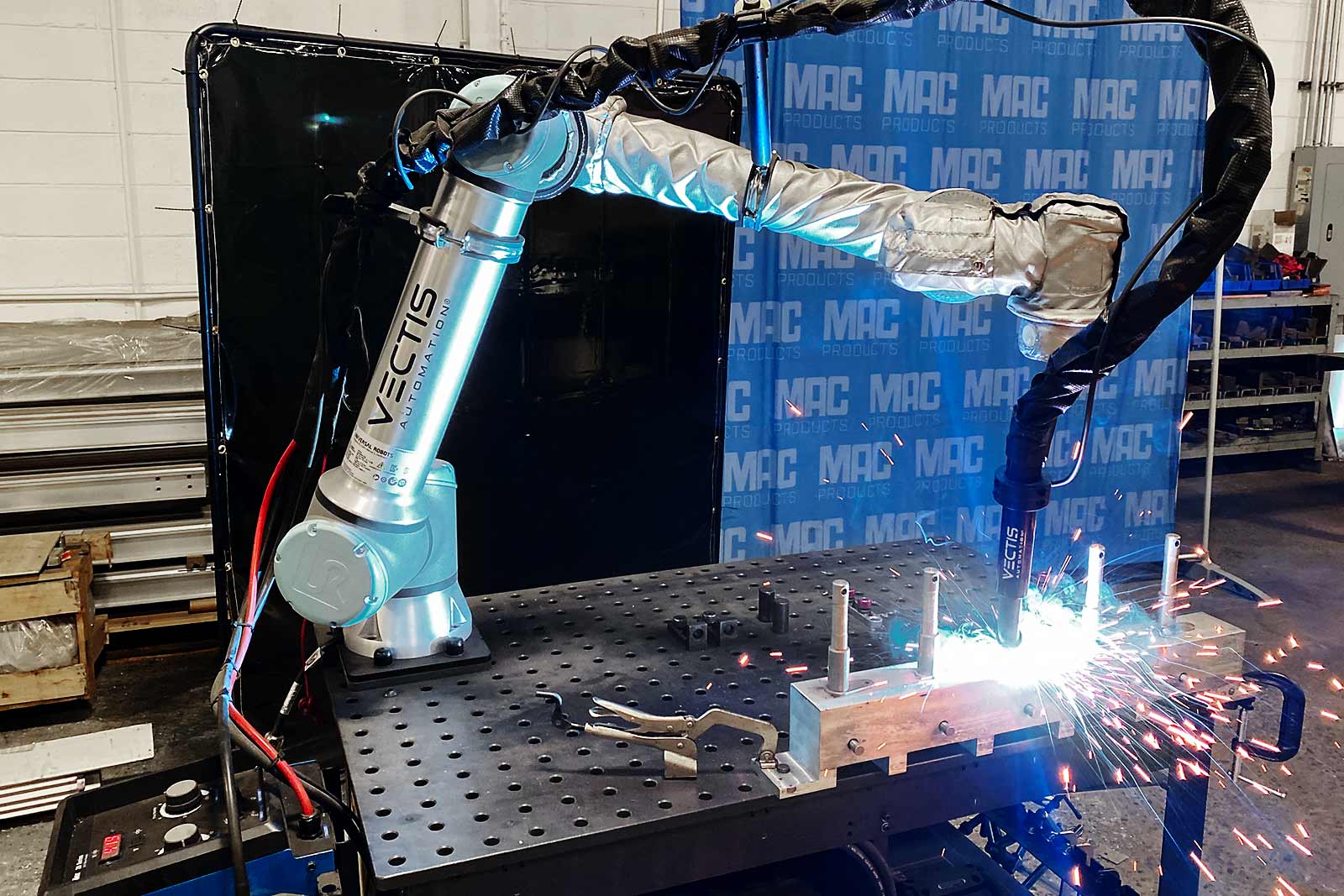
What is the Custom Fabrication Process and Why Is It Crucial for Electrical Utility and Transit Projects?
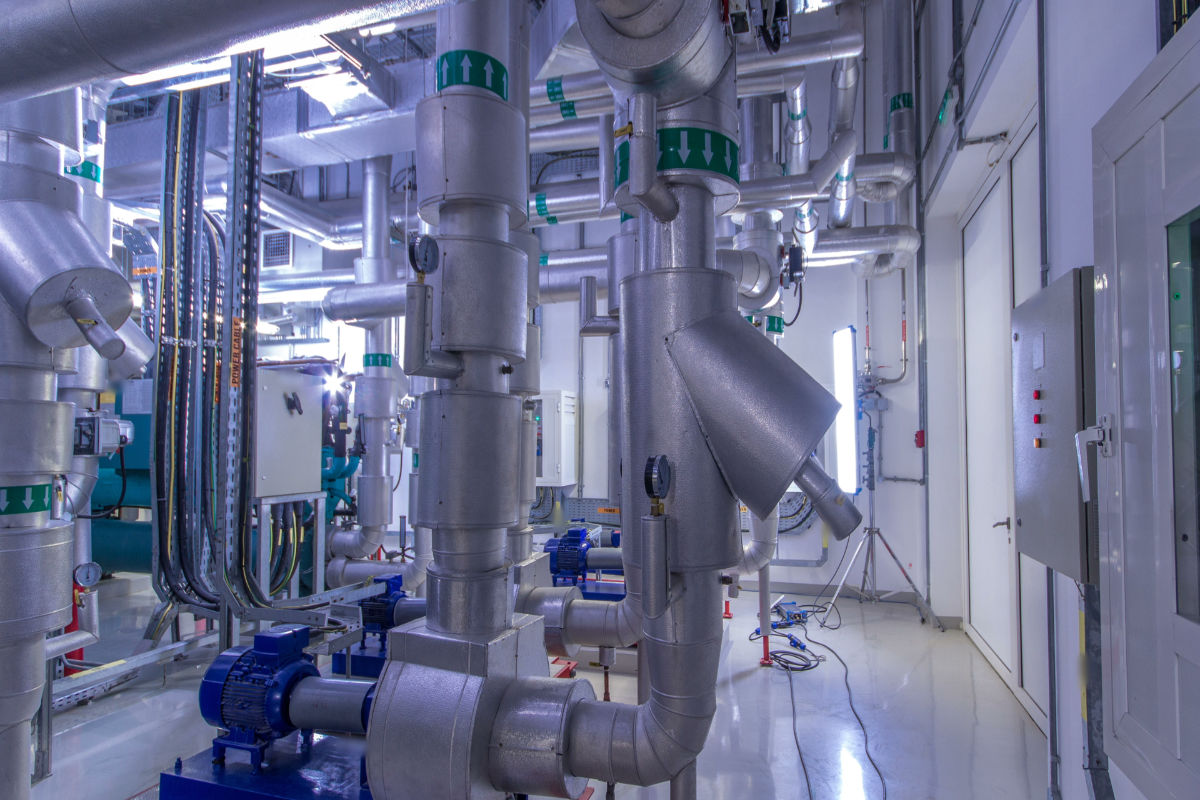
Electric Utility
Revolutionizing Cable Cooling: Innovative Solutions for Efficiency and Sustainability in Electrical Utilities
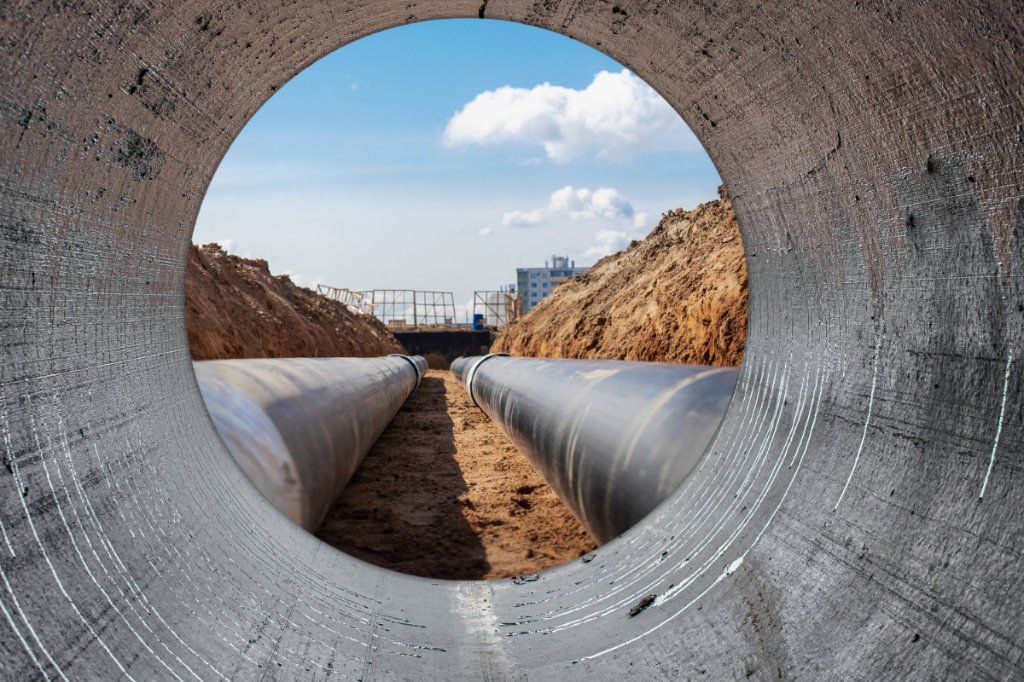
Electric Utility
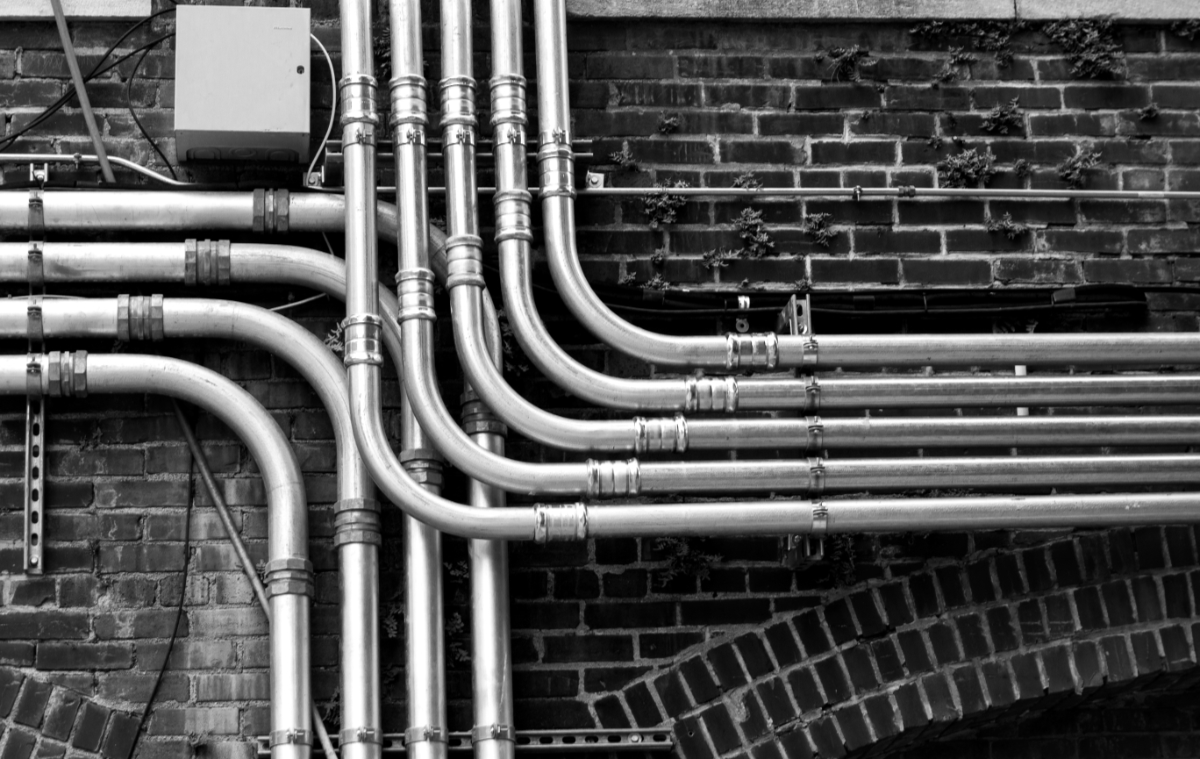
How Duct Sealing Systems and Electrical Conduit Seals Protect Underground Electrical Infrastructure
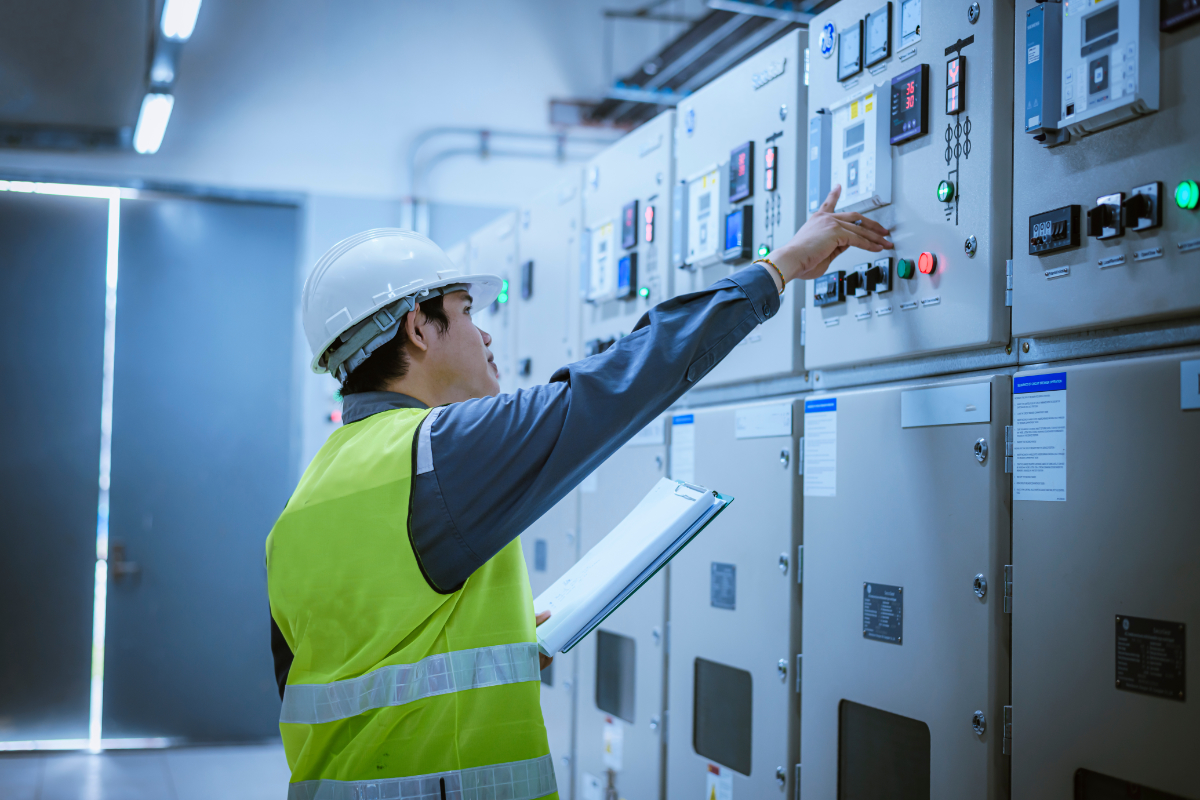
Industry Knowledge
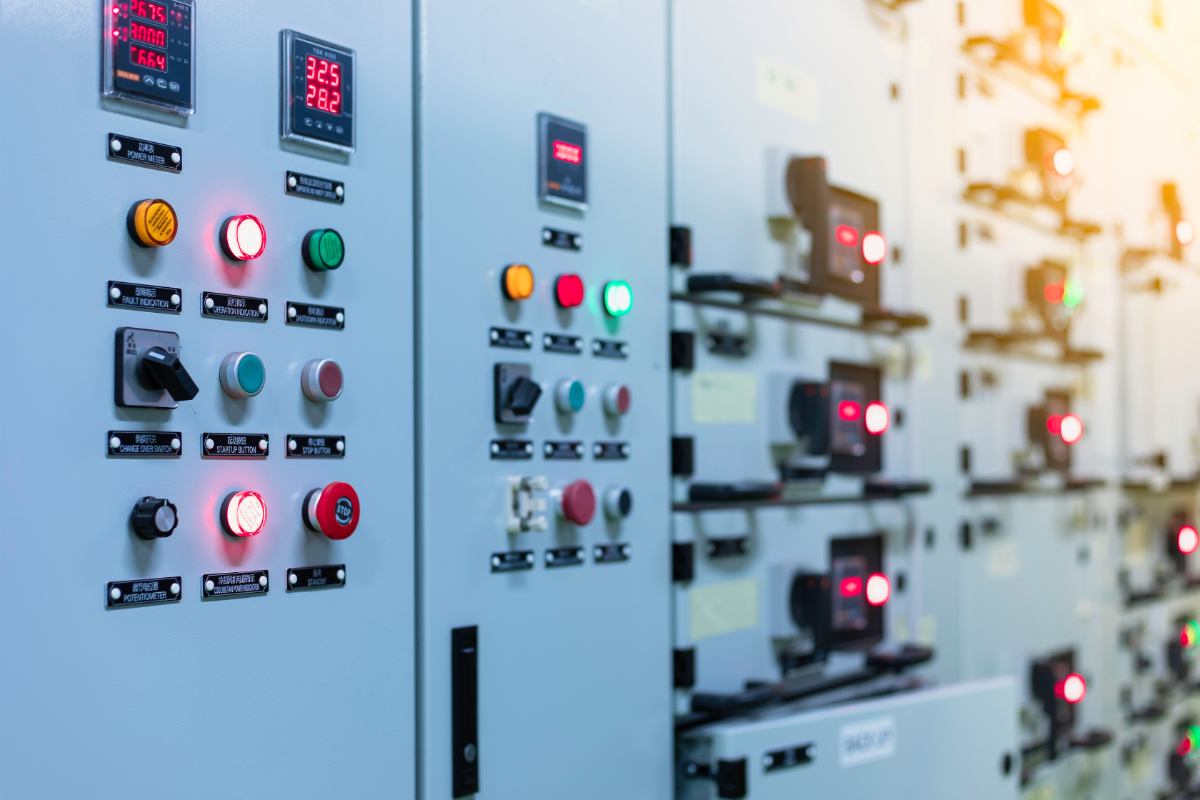
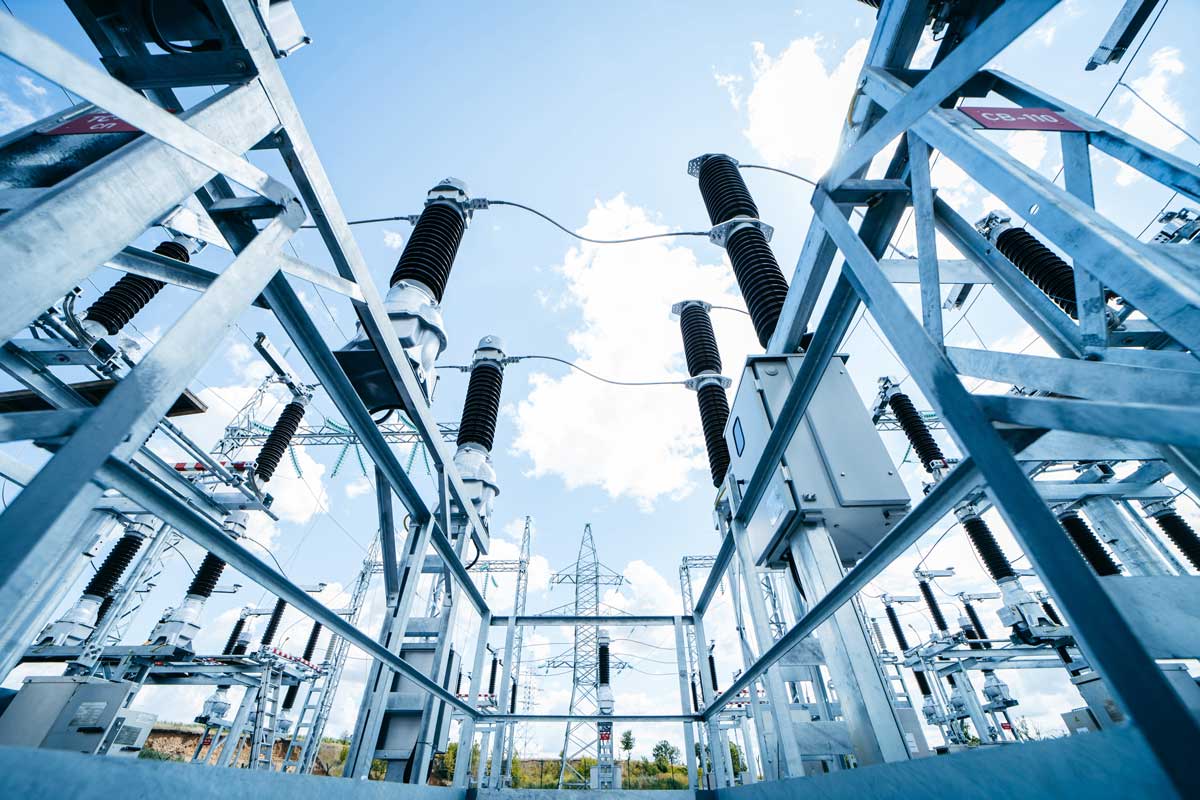
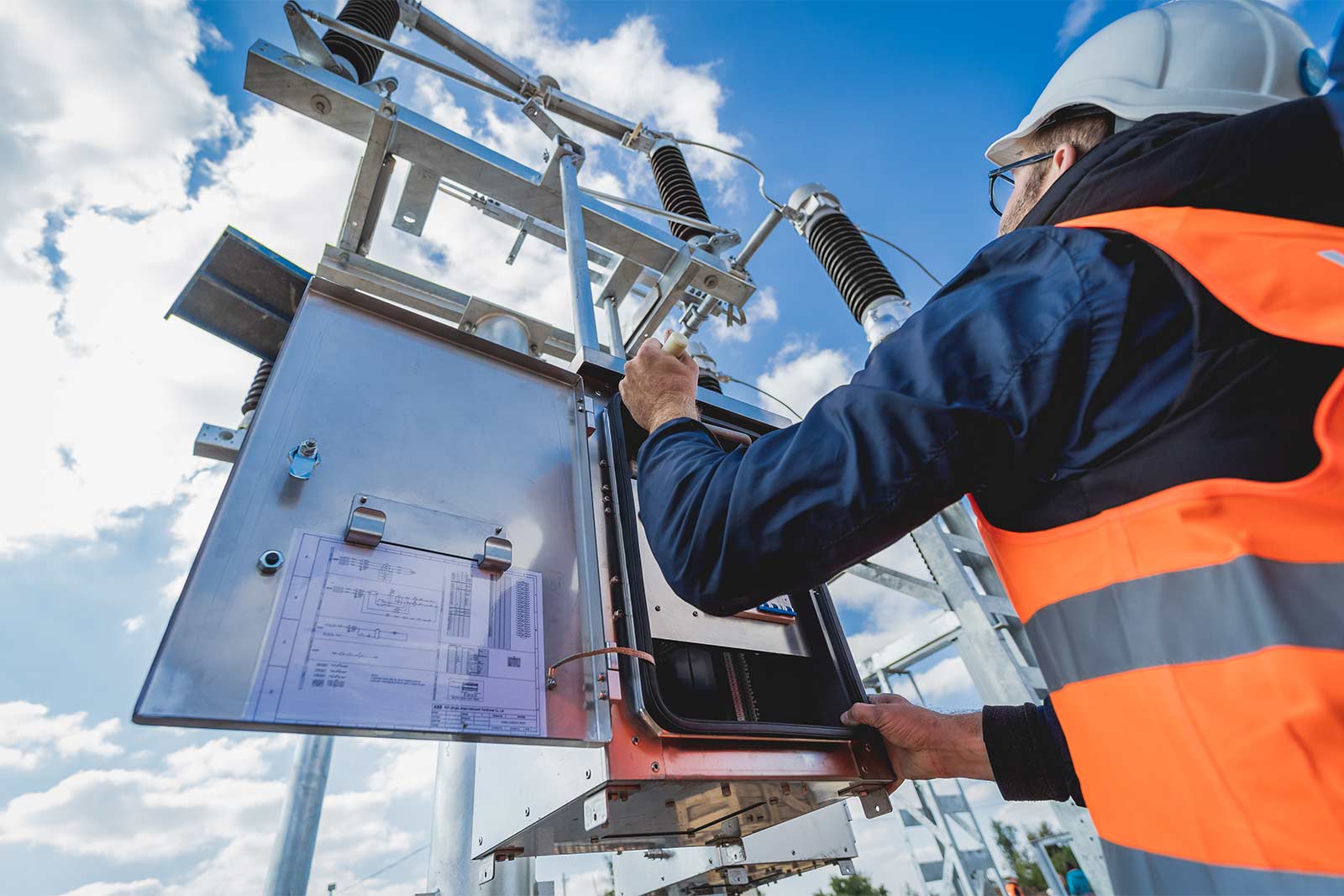
Understanding Substation Circuit Breakers: The Heart of Reliable Power Distribution



Industry Knowledge
Unveiling the Versatility of Pipe-Type Cable Connectors in Modern Engineering
Electric Utility
Breaking Down the Differences Between Compression and Mechanical Connectors

Electrified Transit
Exploring the Advantages of Rigid Catenary Systems in Rail Electrification
Industry Knowledge
Demystifying Electrical Connections: A Guide to the Different Types of Wire Splicing
Electrified Transit
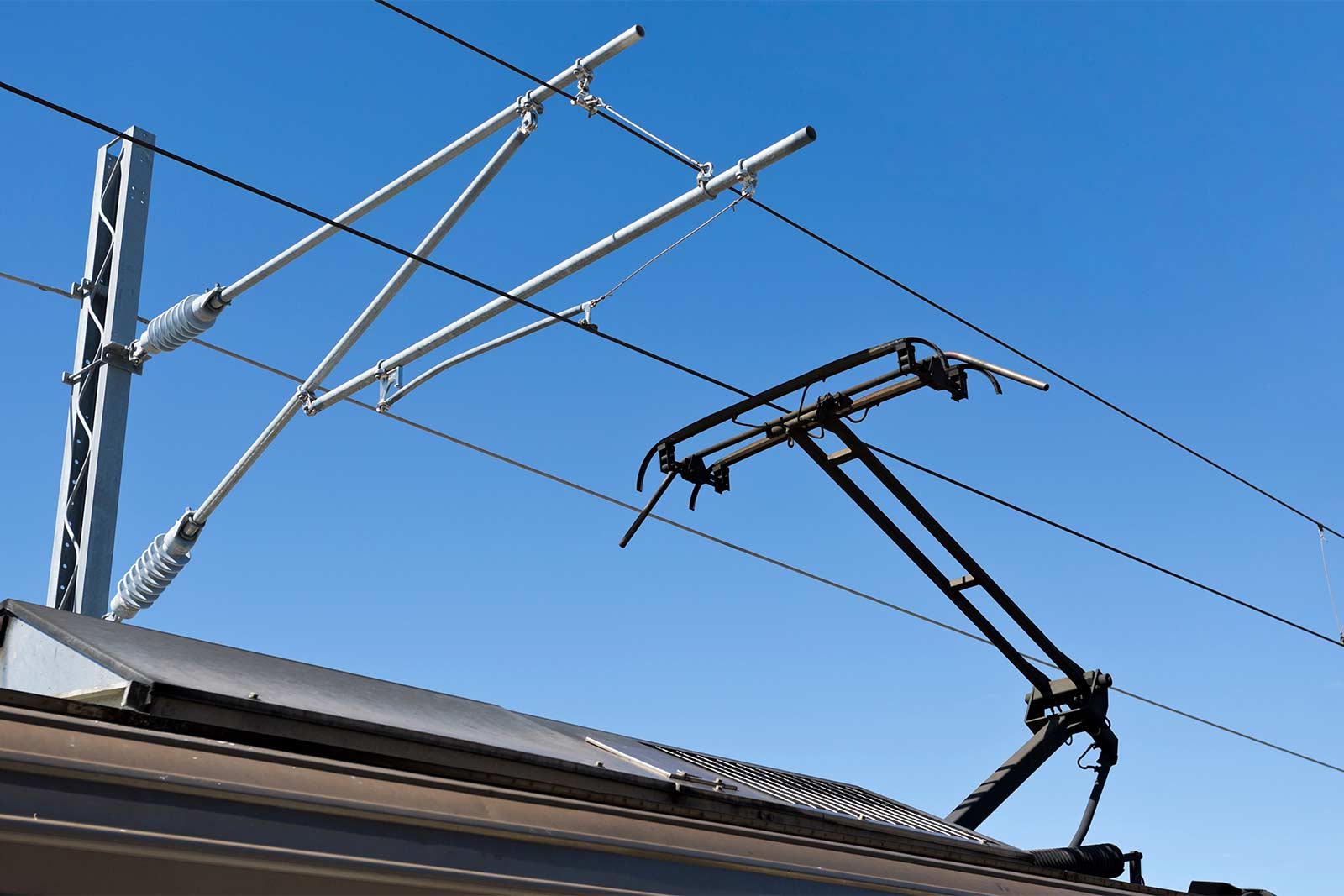
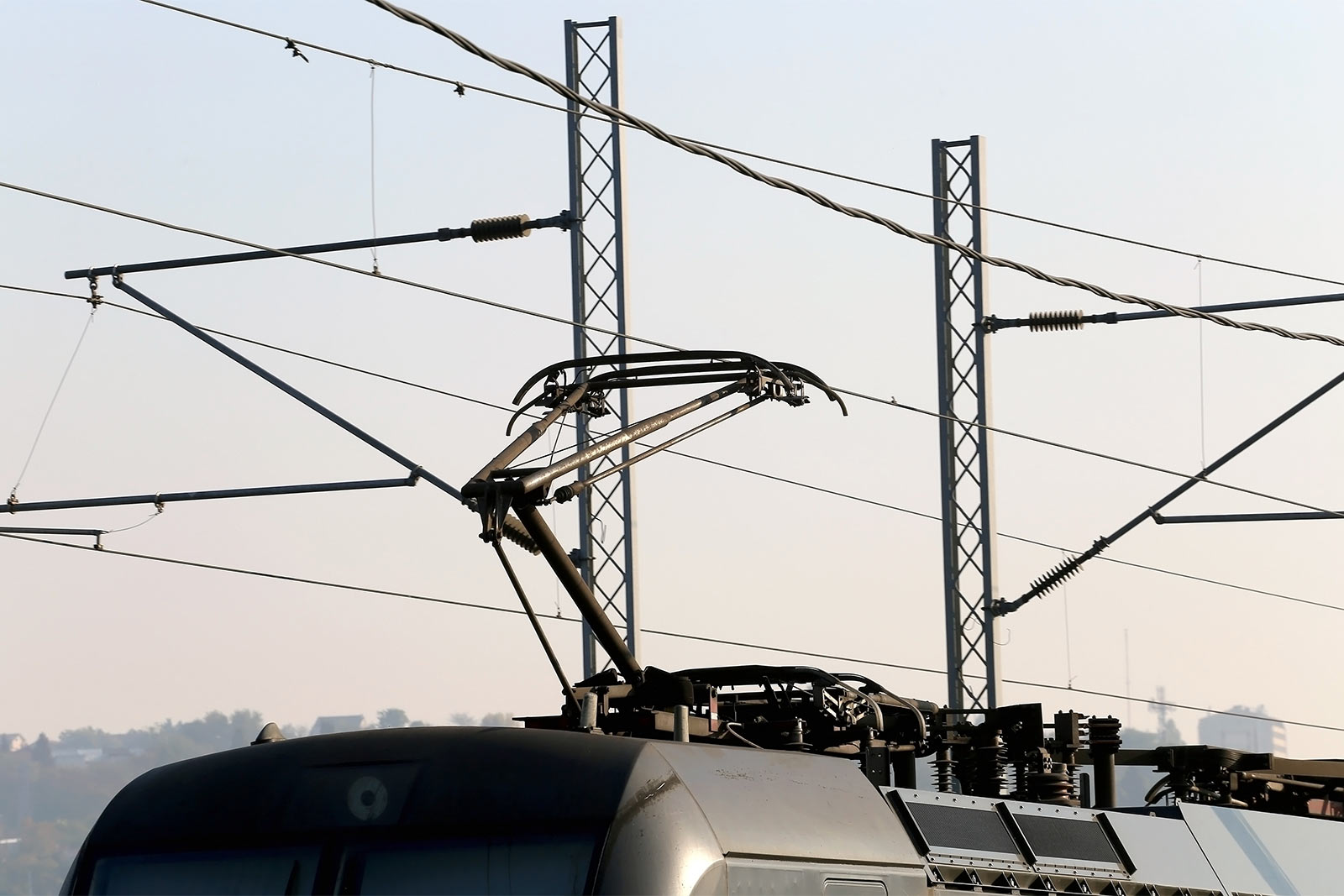
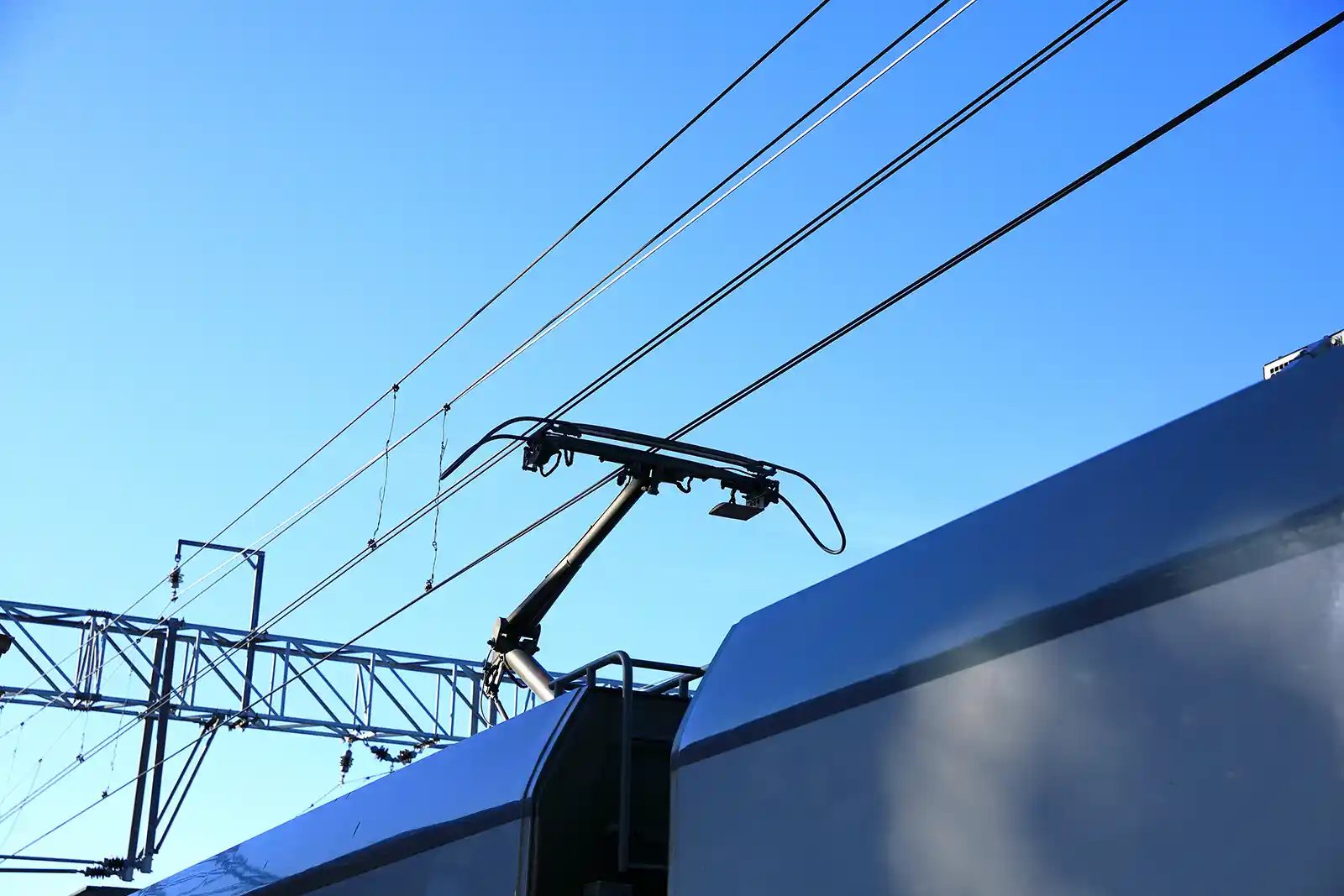
What Is the Difference Between Pantograph and Trolley Shoe Catenary Collectors?

Electrified Transit
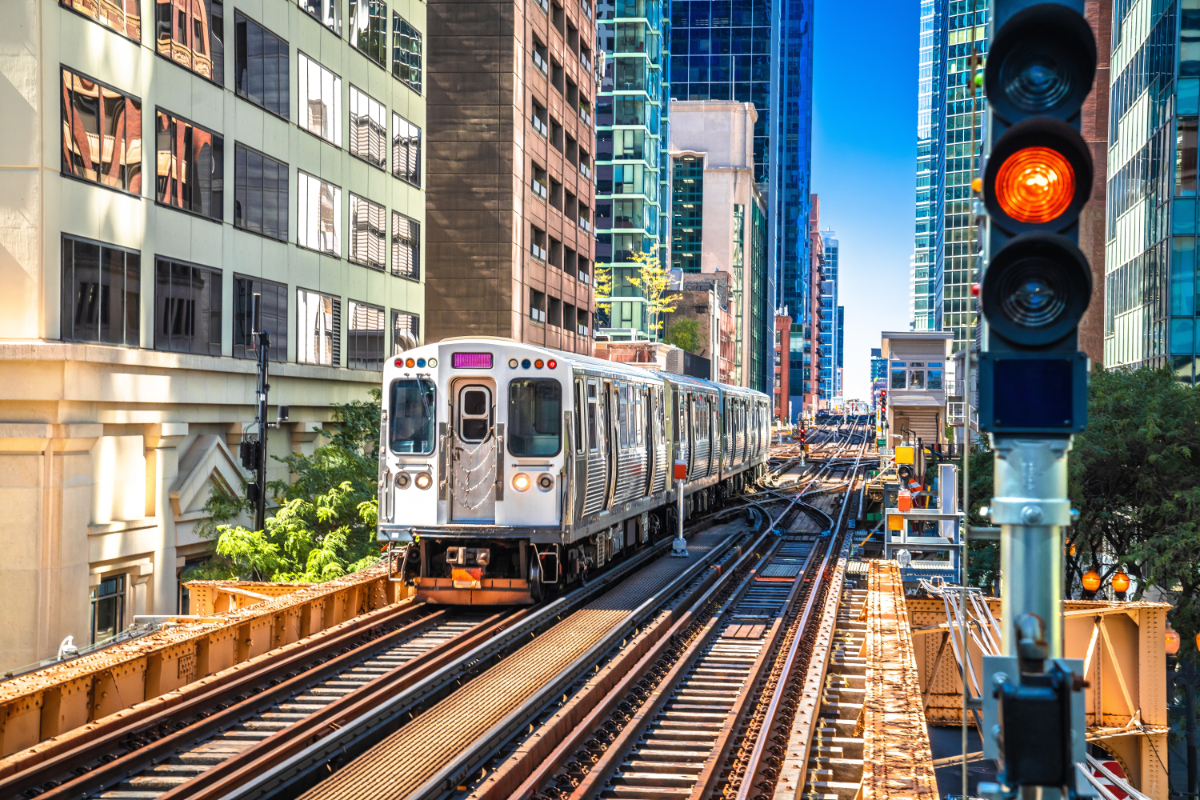
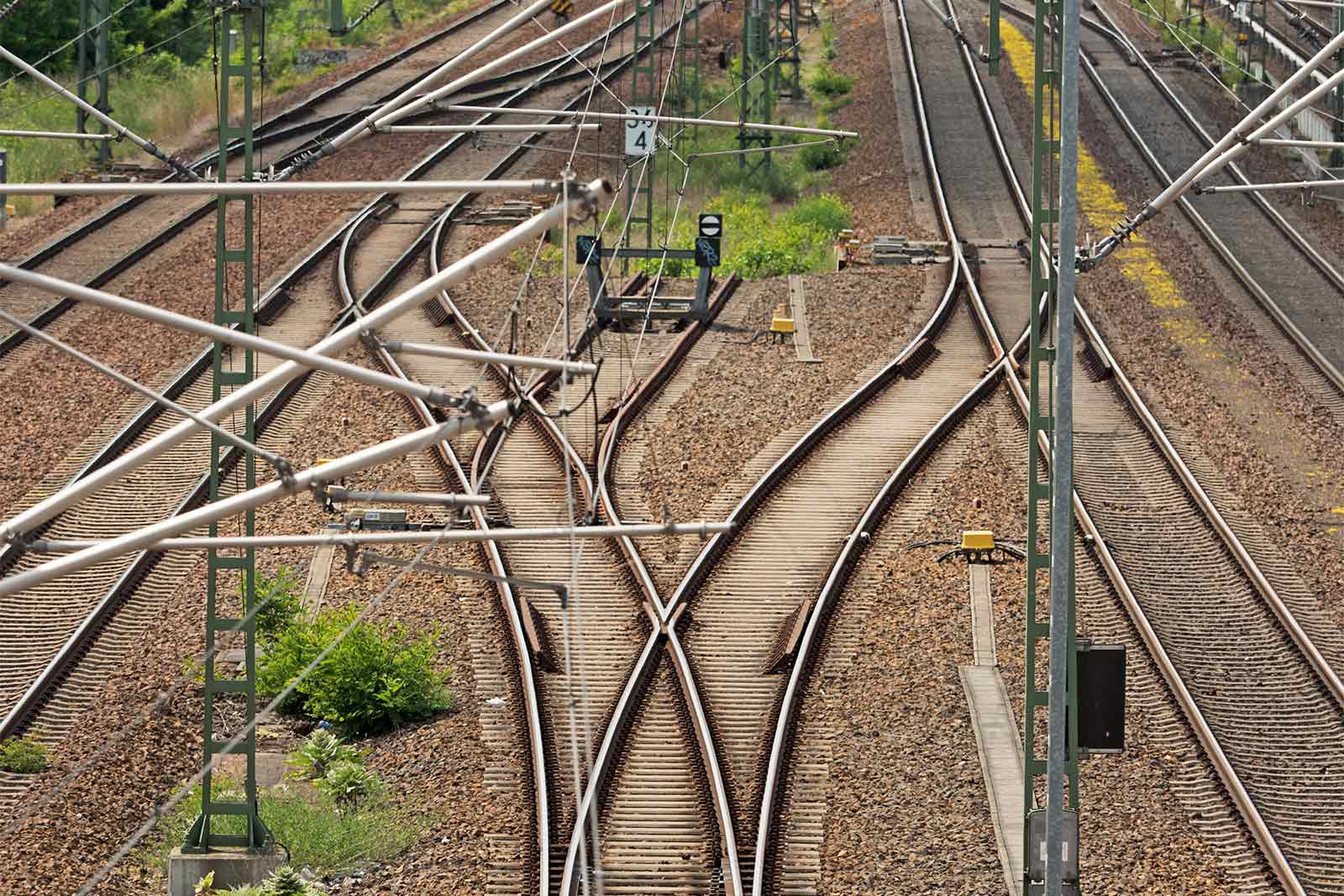
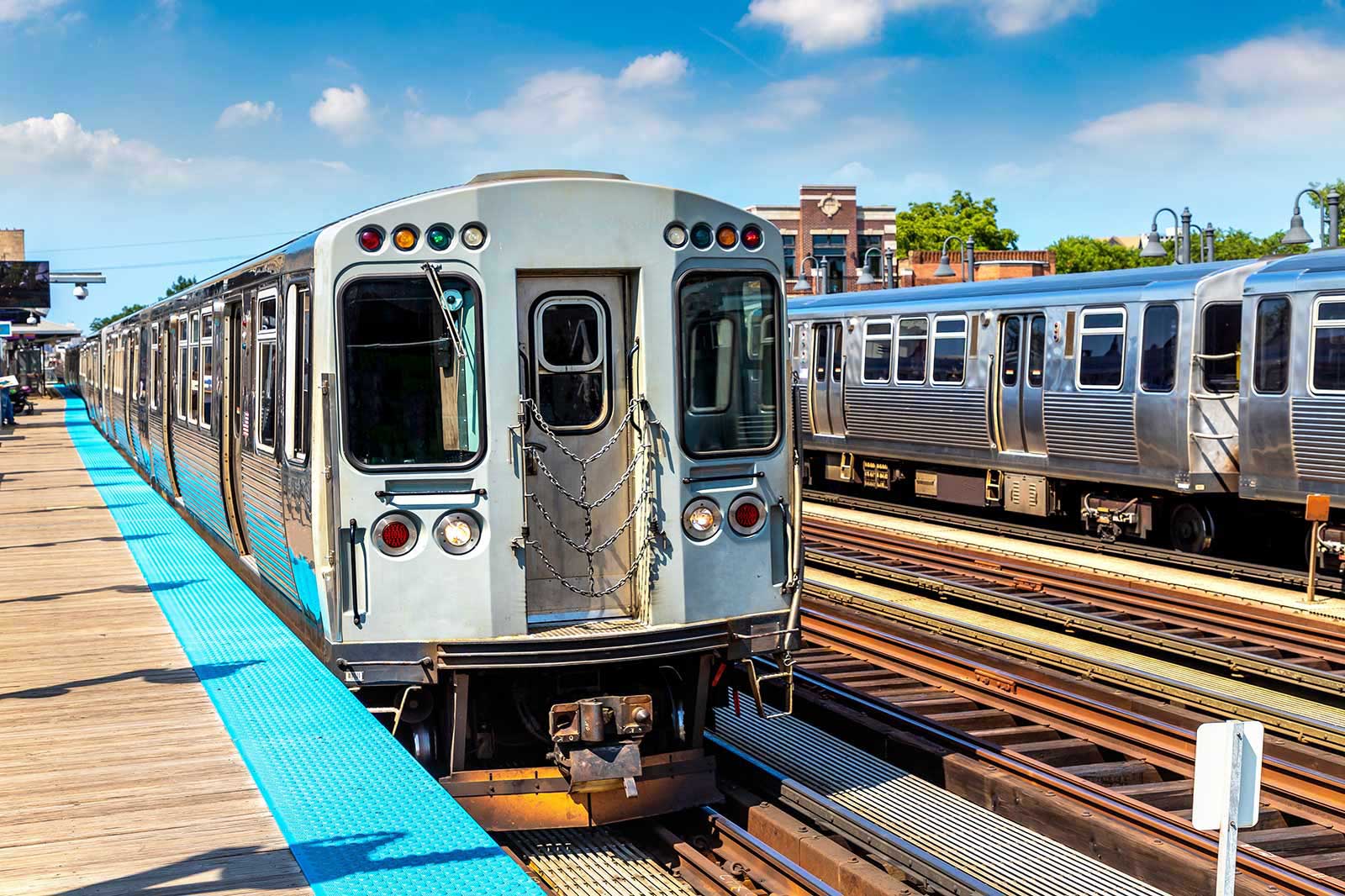
What Is a Third Rail System, and What Are Its Benefits?
Third rail systems are a common means of delivering power to trains. Learn more about what these types of systems are.


